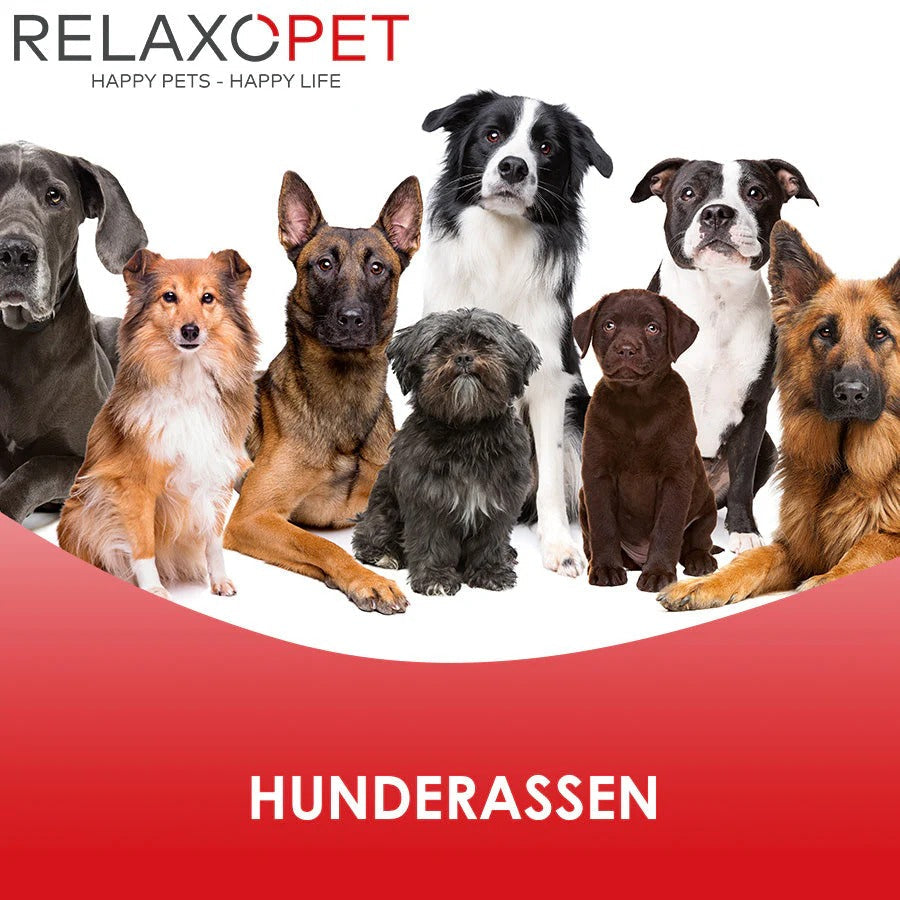
Dog Breeds & Their Needs
Different Dog Breeds and Their Individual Characteristics and Needs
The world of dog breeds is incredibly diverse – both in terms of their physical characteristics and their temperaments and personalities. Whether you're looking for a playful family dog, an energetic working dog, or a loyal companion, there's certainly a dog breed (or mix) that fits your lifestyle. Here you'll find out which breed has which special features and needs.
Understanding Dog Characteristics: Some dog characteristics are particularly pronounced in certain breeds. There are very active breeds that need a lot of exercise, and more laid-back ones that are content more quickly. Similarly, dog personalities differ by breed: some are extremely eager to learn and need mental stimulation, while others are more independent or clingier. This diversity makes dogs so fascinating – and means you should be well-informed about which breed best suits your personality before choosing.
Basic Needs of a Dog
Before we look at individual breeds, it's worth looking at the basic needs of a dog. Regardless of breed or size, all dogs share certain basic needs that must be met for them to stay healthy and happy:
- Sufficient Exercise: Almost all dogs need daily exercise – from walks to play and sports, depending on the breed's energy level.
- Mental Stimulation: Through training, puzzle games, or new experiences, your dog remains mentally challenged. Particularly intelligent breeds actively demand this challenge.
- Social Affection: Dogs are pack animals. They need attention, love, and contact with their humans (and often contact with other dogs) to feel good.
- Healthy Diet and Care: A breed-appropriate diet, regular health check-ups, and – depending on coat type – coat care are essential.
- Rest Periods and Retreat Area: Just as important as action are sufficient rest periods. Every dog needs a place where it can relax undisturbed.
Of course, the intensity and expression of these needs vary depending on the dog. In the following, we will provide an overview of dog breeds – particularly popular dog breeds in Germany – and show what special characteristics and requirements they bring.
Popular Dog Breeds in Germany – An Overview
The selection of dog breeds is vast. Let's take a closer look at some of the most common breeds in Germany and their characteristics. According to current statistics, the Labrador Retriever, German Shepherd, and French Bulldog are at the forefront. (Overall, the mixed-breed dog is at the top by a wide margin – our overview of dog breeds here, however, considers popular purebred representatives.) Chihuahua, Golden Retriever, and Australian Shepherd are also among Germany's top breeds. New favorites like the Cane Corso have also recently made it into the rankings. In the following, we present these and other sought-after dog breeds and highlight their typical characteristics and needs.
Labrador Retriever – Friendly Bundle of Energy
Labrador Retrievers are known and loved for their friendly, good-natured disposition and high intelligence. They are considered extremely open, social, and adaptable – great family dogs that usually get along wonderfully with children. Labs love to please and therefore enjoy working with their owners. Originally bred as retrievers, they are enthusiastic swimmers and "water rats" – a trip to the lake or the sea is the greatest thing for most Labradors.
Despite their relaxed demeanor, Labradors have a lot of energy. Many often forget that they were originally bred as hunting dogs, specifically as retrievers. A Labrador needs a lot of exercise and mental stimulation to be happy and balanced. Daily long walks, games (retrieving!), and if possible, swimming sessions keep this dog satisfied. In addition, Labradors are very gluttonous and tend to gain weight. Therefore, ensure a balanced diet and sufficient activity so that your Labrador stays fit. They can be conditioned very well with food. With good exercise and loving training, the Labrador Retriever develops into a loyal, cheerful companion for life.

German Shepherd – Intelligent All-rounder with Demands
German Shepherds are intelligent, extremely loyal, and versatile. It's no wonder that they were among the most popular breeds for a long time and often serve as service dogs for the police, rescue, or military. A German Shepherd is characterized by high willingness to learn and work ethic. At the same time, they have a strong protective instinct and bond closely with "their" humans.
For a German Shepherd to remain balanced, they need consistent training and clear guidance. This breed is happiest when both mentally and physically challenged. Long walks, demanding exercises during training, and tasks (e.g., search games or Schutzhund sports) fulfill their needs. Due to their attachment and sensitivity, German Shepherds also need a lot of family connection – they prefer to be involved in everything. If you have enough time, experience in dog training, and are looking for a loyal companion who would go through fire for you, the German Shepherd is an excellent choice.
But beware: Even if the German Shepherd is often seen with many people, it is not necessarily a dog for beginners. If it is not consistently trained, there can be some complications in dealing with unfamiliar dogs and people. In some federal states, such as Saxony-Anhalt or North Rhine-Westphalia, most dog bites were even documented by German Shepherds. Of course, it must also be noted here that the German Shepherd is numerically a very popular dog breed in Germany.

Chihuahua – Small Dog with a Big Personality
Chihuahuas may be tiny, but in their minds, they are often true lions! This smallest dog breed in the world captivates with a big personality: Chihuahuas are brave, attentive, and very affectionate. They form a strong bond with their owners and gladly follow their human everywhere. Despite their delicate stature, many Chihuahuas tend to be unaware of their size – they appear self-confident, can be vigilant, and may even alert loudly if something unusual happens.
Especially for anxious dogs like the Chihuahua, RelaxoPet products can be beneficial:
- With RelaxoPet PRO or RelaxoPet SENSE, noise and environmental anxieties can be reduced – Chihuahuas often react sensitively to loud environments (fireworks, strange dogs, car journeys).
- The products do not sedate but create a calmer basic mood so that the dog can deal with stimuli more relaxed.
- Even when left alone or traveling, the relaxation frequencies can help reduce stress.
Training a Chihuahua requires a lot of love and patience. Due to their cute appearance, these little ones are unfortunately often spoiled – but they need consistent, loving training just like larger dogs. It is important to show them from the beginning that they are not "the boss," otherwise they will cheekily walk all over you. Physically, a Chihuahua naturally needs less exercise than large breeds. Short, regular walks and some play are usually enough to keep them busy. Much more important to them is proximity to their owner: A Chihuahua needs a lot of love and attention from their humans. If you give them this, you get an extremely loyal, cuddly, and long-lived companion (Chihuahuas can live to be 15 years and older).

Golden Retriever – Gentle Family Dog with a Love for Retrieving
Golden Retrievers, with their cheerful, balanced nature, are among the most popular family dogs. They are friendly, intelligent, and extremely playful. Their gentle disposition and high tolerance make them great companions for children too. Goldens are very people-oriented and prefer to be involved in everything – their ability to bond and their loyalty are legendary. It's no wonder they are often used as therapy or assistance dogs.
As an active retriever breed, the Golden Retriever loves physical activity. These dogs were bred for hunting, to retrieve shot birds from the water – and even as a family dog, a Golden enjoys a lot of exercise, mental stimulation, and social interaction. Long walks, swimming, retrieving games, and dog sports like obedience or dummy training are ideal. Goldens are very teachable and work diligently, as long as it's playful and positive. However, their good nature also means they don't like to be handled roughly – gentle but consistent training leads to success here. If you give a Golden Retriever enough time, exercise, and love, you will get an incredibly lovable, well-behaved companion for life.

Australian Shepherd – Agile Herding Dog for Active Owners
The Australian Shepherd, often simply called "Aussie," has become very popular in Germany in recent years. With its colorful coat, striking eyes, and lively temperament, it attracts attention. Aussies are intelligent, good-natured, and extremely lively. Originally, contrary to what the name suggests, they do not come from Australia but from the USA, where they worked as cowboy herding dogs. This heritage is evident in them: many Australian Shepherds have a pronounced herding instinct and prefer to be constantly "on the move."
This breed needs an extreme amount of activity, both physically and mentally. An Aussie who is not sufficiently exercised quickly tends to develop behavioral problems or nervousness. Anyone who wants to keep an Australian Shepherd should ideally be very active themselves: extensive daily training, dog sports (agility, flyball, trick training), and tasks where they can use their intelligence are almost a must. Despite their high energy, Aussies are at heart very people-oriented and want to live closely with their family. They are well-suited as family dogs, provided their urge to move is managed. For someone who enjoys athletic activity with a dog and invests the time, the Australian Shepherd is an enthusiastic partner – but as a "couch potato dog," it is definitely not suitable (that would make neither dog nor owner happy).

English Bulldog – Easygoing Friend with Special Charm
Bulldogs have a unique and unmistakable character. Looking into their wrinkled face with the prominent underbite, you can already guess: here comes a lovable stubborn individual. The English Bulldog is generally very loving and loyal to their humans. At the same time, these dogs are known for their easygoing nature – they can be very relaxed and love lounging on the sofa. Overexertion is not in their blood.
Due to their special body shape (wide head, short nose, compact body), Bulldogs, however, have some special needs. In hot weather, for example, they can have difficulty cooling down, so it is important to protect them from extreme heat. Overweight should also be avoided, as it would additionally strain their joints and breathing. English Bulldogs need regular exercise, but no extensive jogging – a leisurely walk and some play are usually sufficient. In training, their idiosyncratic character often shows: Bulldogs are famous for occasionally "tuning out." However, with patience, consistency, and positive reinforcement, they can be well trained. If you gain their trust and respect their somewhat "eccentric" way, you gain a calm, extremely affectionate buddy with the Bulldog, who makes everyone smile with their charm.

French Bulldog – Cheerful Charmer for City and Family
The French Bulldog is a little clown on four paws. With their bat ears and cheeky expression, they quickly win hearts. Frenchies are cheerful, playful, and very people-oriented. Compared to their English relatives, they are usually a bit more active and lively, but still not endurance runners. Many Frenchies love cuddling as much as short bursts of play – they are versatile companions who can feel just as comfortable in city apartments as in a house with a garden (provided they get enough exercise).
The French Bulldog also struggles with its short nose due to its breed. In extreme heat or exertion, breathing problems can occur, which is why caution should be exercised here. On very warm days, a Frenchie is better off in a cool room, and wild games should be scheduled for the morning or evening hours. As for care, French Bulldogs are relatively uncomplicated: short fur, little need for space, and they are usually not overly prone to barking – ideal for the city. Their great strength is their lovable nature: they like to go everywhere, are friendly to (almost) everyone, and often make their owners laugh with their quirky peculiarities. Overall, the French Bulldog is a lovable little charmer that can be easily integrated into everyday life with some consideration (for climate and condition).

Jack Russell Terrier – Spirited Whirlwind on Short Legs
Anyone who sees a Jack Russell Terrier might initially underestimate it due to its small size – but these little dogs are packed with seemingly endless energy! Jack Russells are active, brave, and very alert terriers. They were originally bred for fox hunting (especially for flushing foxes out of their dens), which explains their fearless character. They are "big in a small body" and show it: constantly on the move, always exploring, and equipped with a fairly strong will.
A Jack Russell needs a lot of activity and exercise. These dogs want to run, jump, romp – for hours, if you let them. Dog sports like agility, flyball, or long hikes where they can let off steam are ideal. Because of their prey drive, one should be careful when free-roaming small animals (rabbits, cats, etc.) are nearby – a Jacky could otherwise be off and away. Consistency is important in training: these clever terriers learn quickly, but they also like to test boundaries. With positive reinforcement and clear rules, their stubbornness can be channeled in the right direction. Then the Jack Russell shows what it's made of: it can be a loving family dog that is up for any fun and constantly delights its humans with its cheerful nature. However, this little whirlwind is definitely not made for a life on the couch – exercise is its elixir of life.

Dachshund – Self-confident Hunter in Short-Legged Format
The Dachshund, also called Teckel, is a true German original. Originally bred as a hunting dog for badger hunting (hence the name), it brings some special character traits. Dachshunds are very attentive, brave, and independent – qualities that a successful hunting dog needs. Despite their short legs and long bodies, they have enormous self-confidence and are not at all intimidated by their small size. It is often jokingly said: "Dachshunds don't know they are small."
In everyday life, the Dachshund proves to be a loyal, yet opinionated companion. He bonds closely with his primary caregiver but also has a strong will. Therefore, patience and consistency are required in training, as Dachshunds tend to be somewhat stubborn. However, with loving guidance, they learn very well – after all, they were bred to find solutions themselves. Physically, Dachshunds need regular exercise (they love walks where they can sniff and explore the world), but one should not overdo it: their elongated spine is somewhat sensitive. Avoiding stairs or frequent jumping is advisable to protect their back. For this, Dachshunds are true "nose workers": games where they can sniff or search for something bring them great joy and provide mental stimulation. Overall, the Dachshund is a lovable, funny character dog who will go through fire for his family – as long as things go his way, of course!

Havanese – Cheerful Little Companion with a Sense of Family
The Havanese has been one of the most popular companion dog breeds in recent years – and for good reason. These small dogs with soft, long coats are characterized by an exceptionally friendly, cheerful nature. Havanese bond closely with their families and love to be at the center of attention. They are playful, curious, and adaptable, yet usually not over-excitable but pleasantly balanced.
As typical companion dogs, Havanese are extremely people-oriented. They do not like being alone at all. They gladly follow their owners from room to room and are happiest when they can be involved in everything. Their need for exercise is moderate: daily walks and playtimes are sufficient to meet their physical needs. Since Havanese are intelligent, they also enjoy small learning games or tricks that they are taught. Particularly noteworthy is their empathetic character – many Havanese sense exactly when their human is not feeling well and then do not leave their side. In terms of grooming, their long coat requires some attention: regular brushing prevents matting. Alternatively, some owners opt for the "short haircut", which makes coat care easier. Overall, the Havanese is an ideal family dog that can also be kept in an apartment. The most important thing is that they receive sufficient attention and love – then they prove to be a cheerful, uncomplicated partner for young and old.
(In addition to the Havanese, other small breeds such as the Maltese or Bichon Frisé are very similar in their requirements: they are all lovable companion dogs that need relatively little space but desire all the more family connection.)

Cane Corso – Watchful Protector with a Big Heart
The Cane Corso, also known as the Italian Mastiff, appears imposing at first glance due to its impressive appearance. In reality, behind the massive, muscular physique often lies a very loyal and calm nature. As a classic guard and protection dog, the Cane Corso wants to protect "its" family and territory. Towards strangers, it therefore usually appears reserved or distrustful. At the same time, with loving guidance, this breed is sensitive and affectionate with its primary caregivers – a gentle giant within the family circle.
A Cane Corso absolutely needs sovereign, consistent training from an early age. Due to its strength and self-confident character, it is not a dog for beginners. Early socialization with other dogs and people, as well as clear rules, are important so that its natural protective drive is channeled in an orderly manner. Despite its rather calm temperament, a Cane Corso also needs a lot of exercise and activity. Extended walks, hikes, and for adult animals even joint jogging or cycling tours do it good. Those who have the space and experience gain an extremely loyal, child-friendly family dog and incorruptible protector with a Cane Corso. Incidentally, the Cane Corso is now one of the rising dog breeds in Germany and has recently made it into the top rankings – it is increasingly seen on dog training grounds and in families.

Support for Every Dog Type: How RelaxoPet PRO and SENSE Help Different Breeds
No matter which breed (or mixed-breed dog) you choose – every animal can experience stress or have special needs in certain situations. This is where RelaxoPet products come into play: RelaxoPet PRO and RelaxoPet SENSE were developed to help dogs of all breeds achieve greater relaxation and well-being. These innovative tools support you in addressing the individual needs of your furry friend, whether they are large or small, spirited or sensitive.
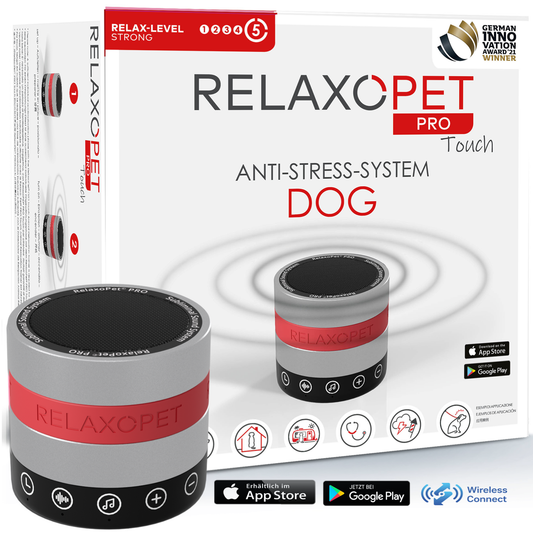
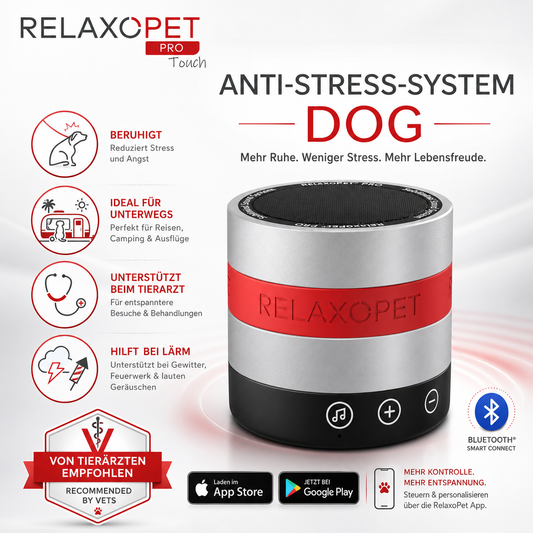
- RelaxoPet PRO – the Relaxation Trainer: This mobile device works with special sound waves and calming sound sequences (partially inaudible to the human ear) to convey subliminal relaxation to dogs. It was developed in collaboration with veterinarians and, thanks to NOISE-MOTION technology, even detects stress-inducing noises in the environment, then automatically switches on. For many typical anxiety situations – such as thunderstorms, New Year's Eve fireworks, car journeys, or when the dog is left alone at home – RelaxoPet PRO is valuable support. For example, a tendentially timid or clingy dog like a Chihuahua or Havanese can become significantly calmer through the soundscape if it has to stay at home without its owner. Even with large, watchful breeds like the Cane Corso or German Shepherd, which naturally react to noises, the sound module helps them remain calmer in extraordinary stress moments (e.g., fireworks or loud construction noises). The big advantage: relaxation occurs without medication, purely through the conditioned audio sequences – meaning your dog is gently calmed without side effects.
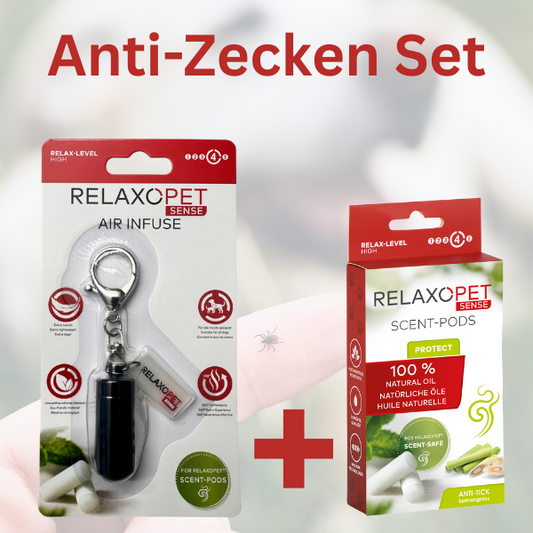
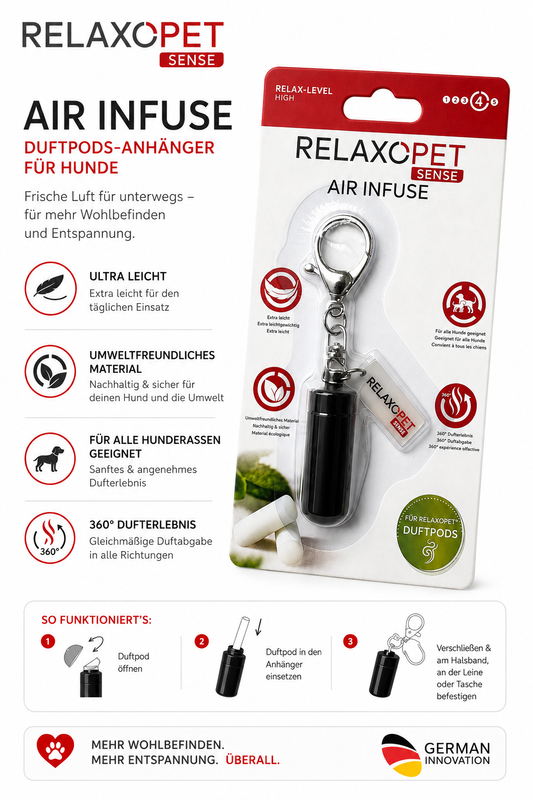
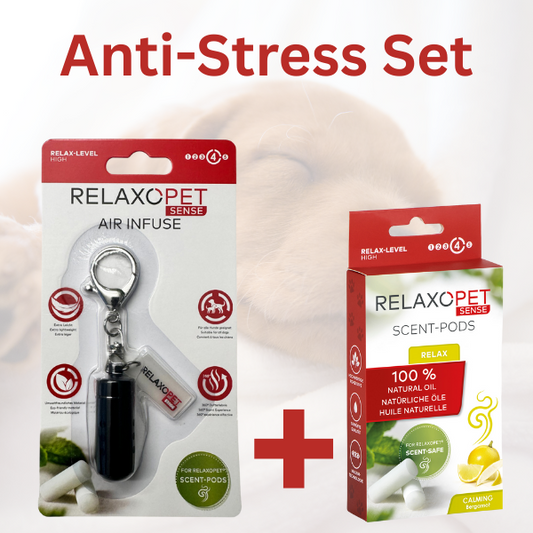
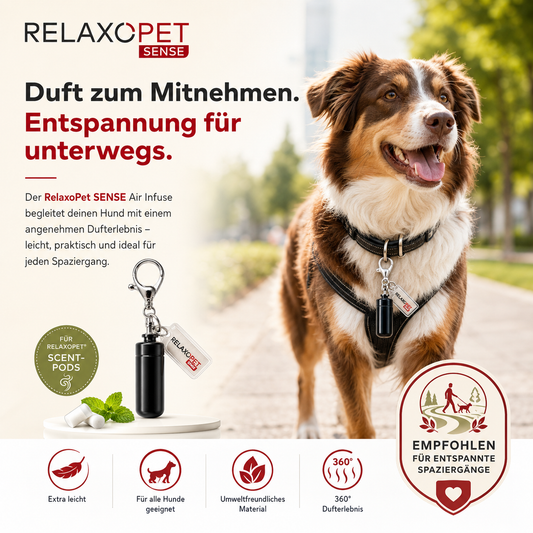
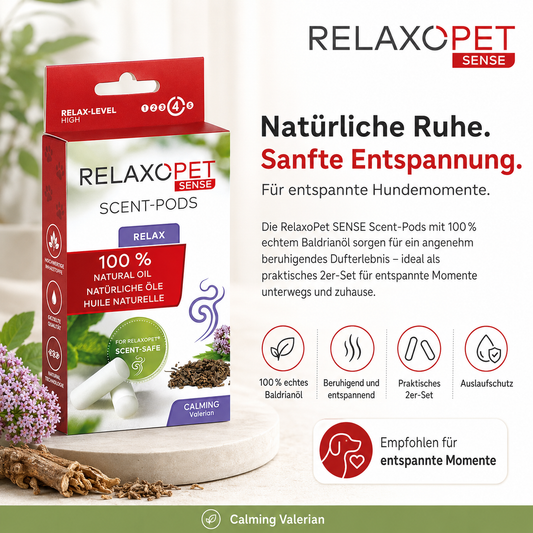
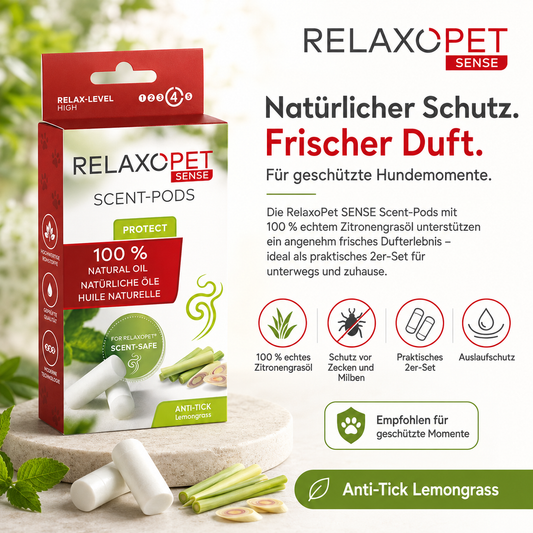
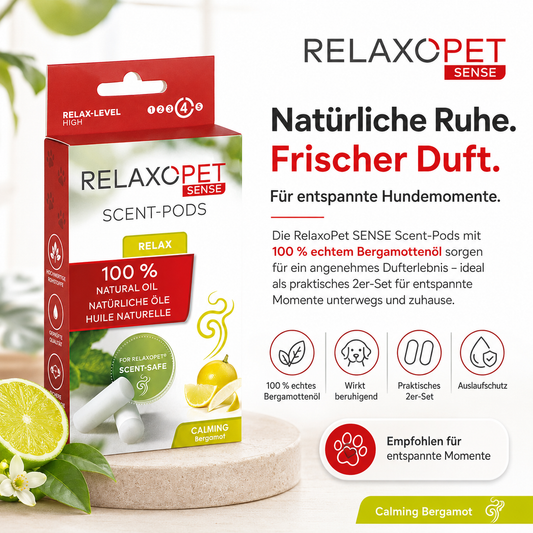
- RelaxoPet SENSE – Aromatherapy for Dogs: With RelaxoPet SENSE, another equally gentle method is available to provide dogs with relaxation and support – namely through their sense of smell. The system consists of a small Air Infuse Diffuser and interchangeable scent pods. These contain animal-friendly aroma blends (e.g., lavender and valerian for relaxation, or special scents for freshness or insect protection) and are evenly distributed in the room by the diffuser. This creates a calming scent atmosphere for the dog without us humans being greatly affected. Anxious or very active dogs, in particular, often respond well to aromatherapy. A restless Border Collie, for example, can calm down more quickly after agility training with a relaxing scent. Or an older, somewhat nervous dog – regardless of breed – feels more secure in a new environment with a familiar, calming scent. Application is incredibly simple: turn on the device, and the beneficial scent unobtrusively spreads in the background. Many dog owners particularly appreciate SENSE products for everyday stress (visitors, moving, thunderstorms) as a help for their furry friend to "wind down" more quickly. Since dogs perceive smells many times more intensely than humans, a targeted selection of scents can have an astonishing effect. Important: The scents used in RelaxoPet SENSE are, of course, specially developed for animals and completely safe for dogs.
Tip: For comprehensive relaxation support, RelaxoPet PRO and SENSE can also be combined. Sound therapy and aromatherapy complement each other and together create a holistic anti-stress system for your dog. For example, on New Year's Eve, you can play both the relaxation sound and diffuse a calming scent – perfect help even for challenging situations.
Tips for Choosing the Right Dog Breed
The decision to get a dog needs careful consideration. Each breed comes with its own characteristics and demands – therefore, here are some tips on how to find the right dog breed for you:
- Your Lifestyle: Honestly consider what your daily life looks like. Are you active and outdoors a lot, or rather calm and often at home? An active dog like the Australian Shepherd suits an athletic person, while a calmer breed like the English Bulldog fits a more leisurely lifestyle.
- Time and Stimulation: Many dog breeds require several hours of daily attention – be it in the form of play, exercise, or training. If you work or have little time, choose a breed with lower activity needs. Also consider whether you can offer mental stimulation (e.g., dog sports, trick training) – intelligent breeds like Border Collies or Poodles demand this.
- Space Available: Do you live in a small city apartment or in the countryside with a garden? Large dogs like a Cane Corso or Saint Bernard need more space and ideally a garden, while small breeds can adapt to limited space (provided they get enough exercise outdoors). Make sure that size and living environment match.
- Family and Career Planning: A dog can live 10–15 years (or longer). Plan ahead: Does the breed also fit future life situations? A very clingy dog will suffer if it suddenly has to stay alone for long periods daily. Breeds with a strong protective drive still require training and socialization, even if children come into the house, etc.
- Breed-Specific Requirements: Thoroughly research the breed that interests you. Does it have specific health issues (e.g., brachycephalic breeds, hip dysplasia susceptibility, grooming effort)? Does it need a job (many working breeds want to work)? Research thoroughly and talk to breeders or experienced dog owners to learn more about the specific needs of the breed.
- Mixed Breed as an Alternative: It is absolutely worth mentioning: Many wonderful dogs are mixed breeds. A mix can often be somewhat easier, as extreme breed characteristics are toned down, and they are often genetically more diverse. Furthermore, the best first step to dog happiness is the animal shelter – countless dogs (whether mixed breed or purebred) are waiting there for a loving home. Those who give a shelter dog a chance often gain a particularly grateful friend for life.
Conclusion
The diversity of dog breeds offers every dog lover the opportunity to find a loyal companion that perfectly suits their lifestyle. It is important to understand the characteristics and needs of the different breeds to make an informed decision. Whether you choose a playful Labrador, an intelligent German Shepherd, a lovable Chihuahua, or a watchful Cane Corso – the love and dedication you give your dog will be the foundation for a wonderful and fulfilling relationship. In any case, your dog should be well-trained to pose no danger to itself or others. A practical list of RelaxoPet-certified dog trainers can be found here.
With the right knowledge about dog characteristics and their needs, a conscious choice of the right breed, and a little support from aids like RelaxoPet products, nothing stands in the way of a harmonious coexistence between you and your furry friend. Enjoy discovering the different dog breeds and choosing your new best friend!