
Aromatherapy for dogs: What you need to consider
Aromatherapy can also have a calming and healing effect on dogs. However, before using essential oils, you should consider some important points to ensure the safety and well-being of your four-legged friend.
1. Choose the right oils:
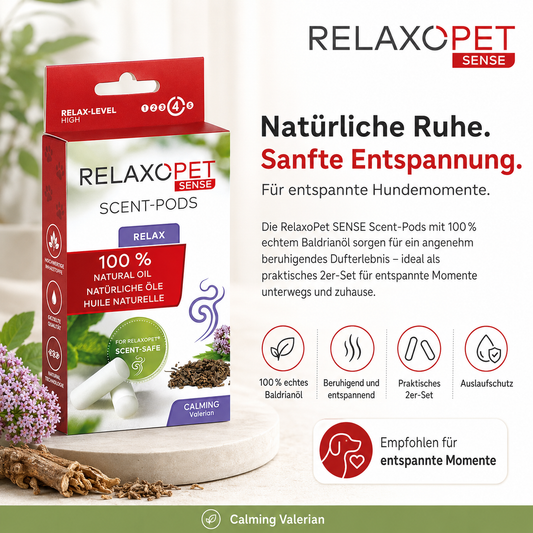
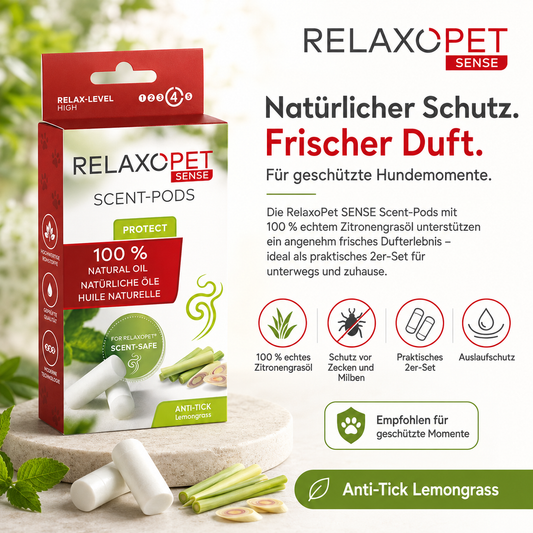
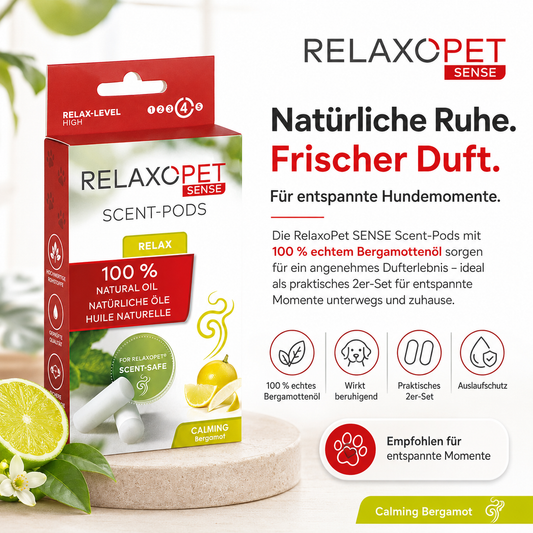
Not all essential oils are suitable for dogs. Some, like tea tree oil, can be toxic. Safer options include lavender, chamomile, bergamot, valerian, and lemongrass.
2. Use of scent pods:
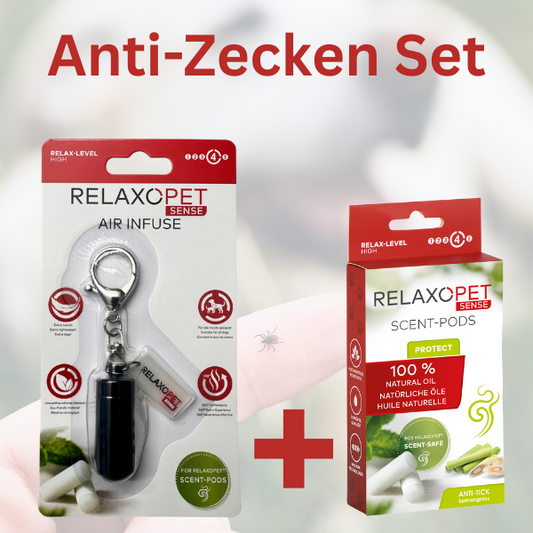
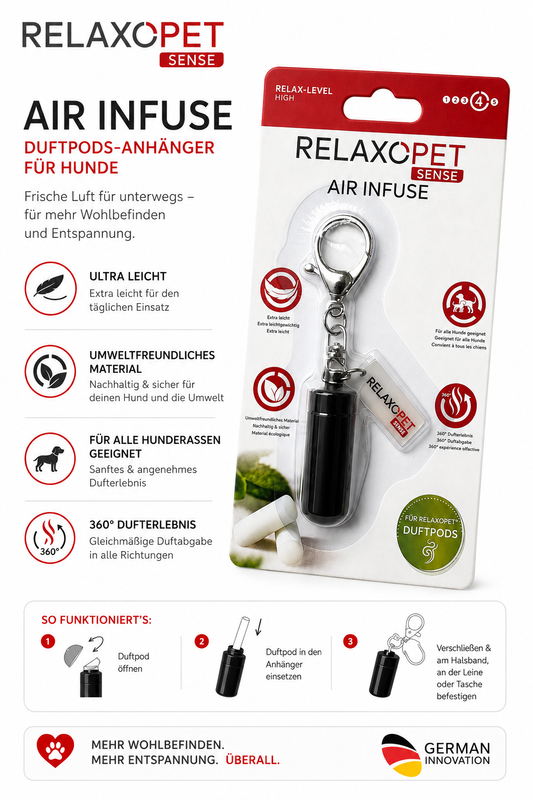
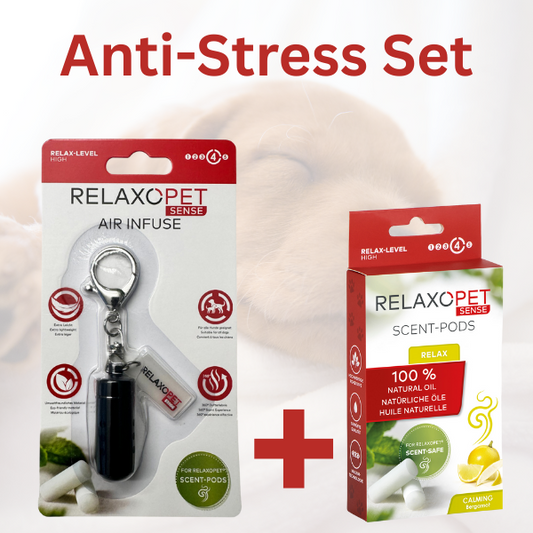
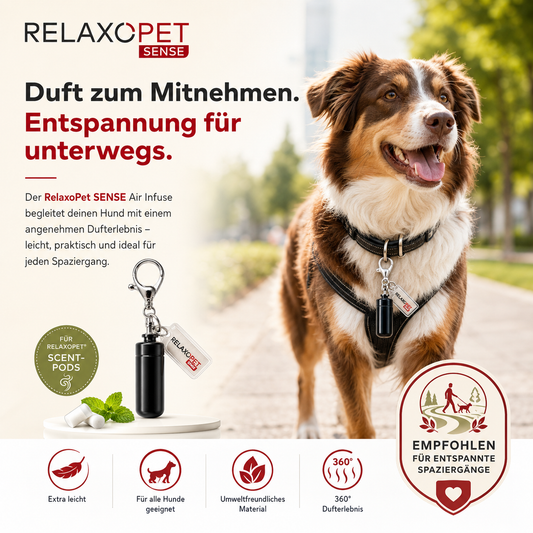
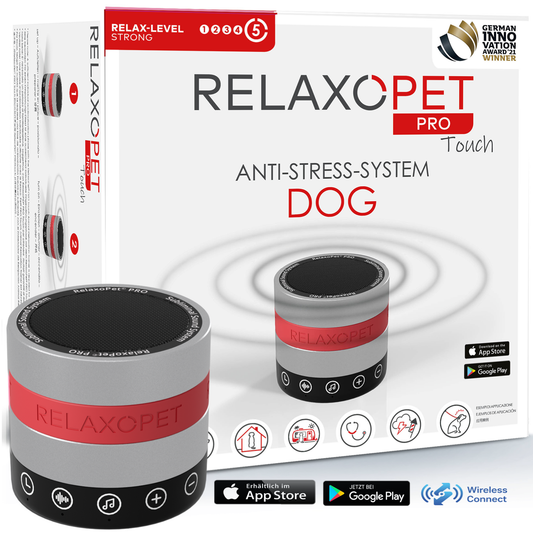
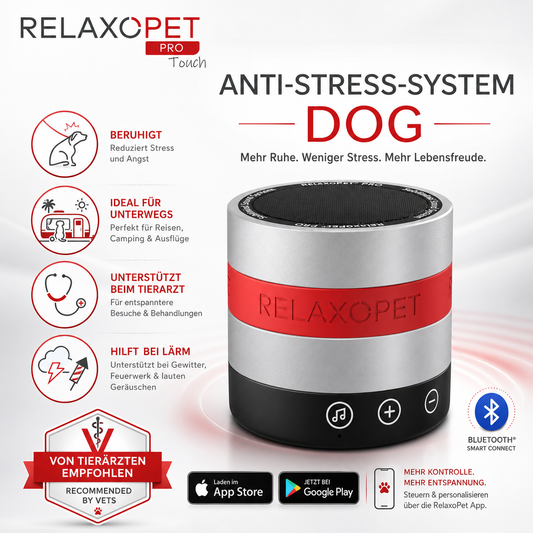
Instead of mixing essential oils yourself, you can use special products like RelaxoPet's scent pods. These are specially developed for pets and offer a safe and effective way to enjoy the benefits of aromatherapy. They are easy to use and perfectly tailored to the needs of dogs.
3. Observe reactions:
Every dog reacts differently to essential oils. Observe your pet closely after application. Signs of discomfort or allergies include excessive scratching, sneezing, coughing, or lethargy.
4. Avoid eyes, nose, and ears:
Never apply essential oils near your dog's sensitive areas. Instead, gently massage the diluted oil into the back of the neck or along the spine.
5. Safe diffuser use:
If you use a diffuser, ensure the room is well-ventilated and your dog has the option to leave the room if they wish. Do not leave the diffuser running for more than 10-15 minutes.
6. Use quality products:
Only use high-quality, 100% pure essential oils without additives. Cheap or contaminated products can be harmful.
7. Professional advice:
If you are new to aromatherapy or want to treat specific health problems in your dog, seek advice from a certified aromatherapist or veterinarian.
Conclusion
Aromatherapy can be a valuable addition to your dog's care when applied correctly. With careful selection of oils, proper dilution, and observation of your dog's reactions, you can support their well-being naturally.