
Which plants are poisonous to dogs?
As a caring dog owner, you want your four-legged friend to be in a safe environment. But did you know that many everyday plants can be poisonous to dogs? Dogs are naturally curious and love to explore their surroundings with their mouths and noses. In doing so, they might chew on a plant or eat something that isn't good for them. In this guide, you'll learn which plants are poisonous to dogs and how to make your home and garden dog-proof.

A flourishing garden can be tempting for dogs – but some plants in it are poisonous. As a dog owner, you should know what to look out for to protect your beloved pet.
Many ornamental plants, flowers, and even some houseplants contain substances that can be dangerous to dogs. From poisonous flowers for dogs to inconspicuous wild plants in nature – we give you an overview. We also introduce non-toxic alternatives and show which plants can even be beneficial to dogs' health. This way, you can enjoy your green oasis without endangering your dog's health.
Poisonous Houseplants – Danger in the Living Room
Which houseplants are poisonous to dogs? Unfortunately, many of them are. It turns out that some of the most popular houseplants in German households are poisonous to dogs. These include, for example, Peace Lily (Dieffenbachia), Pothos, Philodendron, Monstera, ZZ Plant (Zamioculcas), Weeping Fig (Ficus Benjamina), Aloe Vera, Flamingo Flower (Anthurium), Crown of Thorns, Oleander, and Poinsettia. These and other ornamental plants contain ingredients that can lead to anything from an irritated stomach to severe poisoning symptoms in dogs. It is important to keep all poisonous houseplants out of your dog's reach – ideally, you should remove them entirely or replace them with non-toxic alternatives.
For a better overview, here is a table of some common houseplants and an indication of whether they are poisonous to dogs or not:
|
Houseplant |
Poisonous for Dogs? |
|---|---|
|
Dieffenbachia |
Yes – contains irritating substances |
|
Pothos (Epipremnum) |
Yes – poisonous, can cause vomiting |
|
Philodendron |
Yes – all parts irritating/poisonous |
|
Monstera (Swiss Cheese Plant) |
Yes – contains sharp calcium oxalates |
|
ZZ Plant (Zamioculcas) |
Yes – highly toxic if ingested |
|
Weeping Fig (Ficus Benjamina) |
Yes – milky sap irritates mucous membranes |
|
Aloe Vera |
Yes – causes diarrhea in dogs |
|
Azalea (Rhododendron simsii) |
Yes – very toxic, even small amounts are dangerous |
|
Poinsettia |
Yes – poisonous milky sap, leads to stomach upset |
|
Snake Plant (Sansevieria) |
Yes – mildly toxic (causes vomiting) |
|
Orchid (Phalaenopsis) |
No – considered non-toxic for dogs, but can lead to stomach upset |
|
Spider Plant (Chlorophytum) |
No – completely non-toxic, robust |
|
Calathea (Prayer Plant) |
No – beautiful leaves, non-toxic |
|
Areca Palm (Goldfruchtpalme) |
No – palm-like, non-toxic for pets |
Note: This table is not exhaustive. If you are unsure whether a particular houseplant is poisonous to your dog, consult veterinary sources or ask your veterinarian for advice.
As you can see, poisonous houseplants often have beautiful alternatives that are harmless. In the next section, we will give you specific recommendations for beautiful, non-toxic plants for indoors.

Beautiful and Non-Toxic Plants for Indoors
Fortunately, you don't have to forgo a green living environment just because you have a dog. There are many pretty houseplants that are non-toxic to dogs and are therefore ideal for households with pets. Here are some recommendations:
-
Calathea (Prayer Plant): Striking leaf patterns, tropical flair, and completely non-toxic to dogs. Calatheas love high humidity – perfect for the bathroom or living room.
-
Spider Plant: An easy-to-care-for hanging plant with decorative, trailing shoots. It is not only non-toxic but also improves the indoor climate by filtering pollutants from the air.
-
Areca Palm: Brings a touch of the tropics into your home. This palm is non-toxic to dogs and cats and is also a natural humidifier.
-
Chinese Money Plant (Pilea peperomioides): Trendy houseplant with round leaves. It is considered pet-friendly and easy to care for – ideal for beginners.
-
Peperomia (Radiator Plant): Available in many growth forms and leaf patterns. Peperomias are non-toxic and require little care – perfect for households with curious furry friends.
-
African Violet (Usambaraveilchen): Colorful blooms and harmless to pets. It thrives on the windowsill and delights with months of flowering without harming your dog.
You can find these pet-friendly plants in well-stocked garden centers or hardware stores. Online shops often have categories for pet-friendly plants as well. For example, a provider like greenmeup.de lists various non-toxic houseplants that get along well with dogs and cats. When buying, make sure there are no pesticides or fertilizer residues on the plants by rinsing them thoroughly before setting them up. This way, you can ensure that there is no real danger to your four-legged friend.

Dogs and Plants in Nature
Not only indoors, but also outdoors in nature and in the garden, plant dangers lurk for dogs. Some wild and garden plants are highly toxic and can cause serious poisoning even in small quantities. Below you will find typical examples from German nature that you should know.
A selection of plants poisonous to dogs
-
Yew (Taxus baccata): A conifer commonly found in parks and gardens. Highly toxic! All parts of the plant (except the red berry flesh) contain the alkaloid taxine. Even small amounts lead to vomiting, diarrhea, cramps, and in the worst case, cardiac arrest.
-
Laburnum (Goldregen): An ornamental shrub with yellow flower clusters. Also very toxic – especially the seeds in the pods contain alkaloids. Ingestion can lead to vomiting, seizures, and respiratory paralysis.
-
Foxglove (Digitalis): Striking, finger-shaped flower spikes (red, pink, white). Contains cardiac glycosides that can lead to heart rhythm disturbances, vomiting, and in the worst case, heart failure. Foxglove is one of the most poisonous wild plants in this country.
-
Belladonna (Atropa belladonna): Found in forests and at forest edges. The black berries look tempting but are highly toxic – they contain atropine. In dogs: dilated pupils, racing heart, shortness of breath, leading to death.
-
Lily of the Valley: Popular spring flower with a strong scent. Extremely toxic to dogs (and humans) – even the water in which lilies of the valley stood is poisonous. Ingestion leads to vomiting, diarrhea, heart rhythm disturbances.
-
Oleander: Evergreen ornamental shrub with pink/white flowers, often in pots. Highly toxic, all parts contain cardiotoxic poisons. Even small amounts can be fatal (cardiac arrest).
-
Rhododendron/Azalea: Widespread ornamental shrubs. Very toxic to dogs – even gnawing on leaves can cause salivation, vomiting, and severe cardiovascular problems.
-
Giant Hogweed (Herkulesstaude): Wild plant with large umbels. Its plant sap causes severe inflammation on skin contact under UV light (comparable to burns). Swallowing is also dangerous.
-
Boxwood: Typical garden hedge. Contains alkaloids – causes vomiting, cramps, in severe cases paralysis. Poisonous to dogs, cats, and horses.
These are just a few examples – the list of poisonous wild and garden plants is long. Other dangerous plants include, for example, Cherry Laurel, Holly, Angel's Trumpet, Autumn Crocus, Ivy, Privet, and Elderberry (elderberries only non-toxic when cooked). As a rule of thumb: Keep your dog away from unknown plants and do not let him chew on branches whose origin you do not know. Especially puppies like to put everything in their mouths – here special caution is required.

A selection of non-toxic plants for dogs (selection)
Fortunately, there are also many plants in nature that are harmless to dogs, at least if not eaten in huge quantities. Dogs often instinctively avoid inedible plants and prefer to nibble on grasses or certain herbs. Here are some non-toxic plants or plants that your dog is allowed to eat:
-
Grass and Herbs: Normal meadow grass is non-toxic – many dogs occasionally eat grass to regulate their digestion. Bamboo and reeds are also harmless to dogs.
-
Daisy (Bellis perennis): Common on lawns and meadows. Non-toxic – a few flowers or leaves are harmless.
-
Dandelion: Widespread in meadows. Non-toxic and even rich in vitamins and minerals. Many dogs like to nibble on fresh dandelion leaves. (Caution: the milky flower can contain bitter substances – leaves are better suited).
-
Wild fruits and berries: Raspberries, blackberries, blueberries – these wild berries are non-toxic and small amounts can be eaten by dogs. Wild strawberries and fallen apples/pears from the fruit tree are also fine in moderation. However, make sure to remove moldy or rotten fruits.
-
Chamomile (Matricaria): Found wild or in the garden. Non-toxic and digestible for dogs – some dogs instinctively nibble on chamomile as it can have a stomach-calming effect.
-
Hazelnut Bush & Beech: The fresh leaves are non-toxic. However, dogs should only eat fallen beechnuts or hazelnuts in limited quantities due to the risk of choking and high tannin content.
Many ornamental plants in the garden are also harmless to dogs. These include, for example, roses (without chemical sprays, watch out for thorns), lavender, sunflowers, herbs like basil, thyme, or parsley, marigolds, zucchini plants, and ferns. You can therefore have these plants in your garden without any risk of poisoning. Nevertheless, the rule is: Do not let your dog eat garden plants unsupervised – even non-toxic plants, if eaten in large quantities, can lead to diarrhea or other stomach problems.

Potentially healthy plants for dogs
Interestingly, there are even plants that can be beneficial for dogs' health. Some wild and medicinal plants are used in naturopathy for dogs or added as a supplement to dog food. Here is a small selection of such medicinal plants for dogs:
-
Chamomile: As mentioned, chamomile has anti-inflammatory and soothing effects on the stomach and intestines. Chamomile tea, for example, is used for dogs with stomach aches or for caring for irritated eyes (rinsed, cooled tea bags).
-
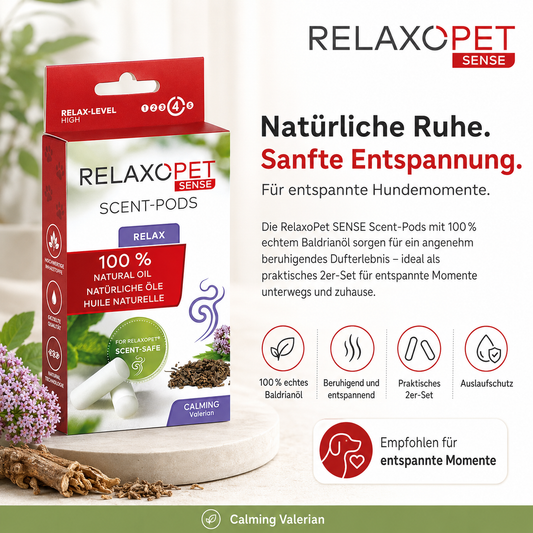
Valerian: The valerian root is known for its calming effect. Valerian is contained in some preparations for relaxation for animals (e.g., as a room scent or in toys for cats). For dogs, valerian can have a mildly calming effect in stressful situations. Our RelaxoPet Scent Pods are also available with valerian.
-
Fennel: Fennel seeds or herb are a classic gastrointestinal medicinal herb. Fennel tea is also given to dogs with digestive problems (of course cooled and unsweetened). Fennel bulbs in the garden are non-toxic – the dog may nibble on them.
-
Rosehip: The fruits of the wild rose (dog rose) are rich in vitamin C. Dried rosehip shells are often mixed as powder into food to support the immune system and joints. Your dog can try fresh rosehips from the bush in small amounts (many dogs like the tart taste).
-
Nettle: Your dog would not eat fresh nettles because of the stinging hairs, but dried nettle leaves are a valuable additive. They contain iron, calcium, and support the urinary tract. Some dog foods or herb mixtures contain nettle extracts – of course only in processed form.
-
Milk Thistle: This thistle is used in veterinary medicine to support the liver. The active ingredient silymarin can protect liver cells. For dogs, milk thistle is available as capsules or powder. The plant itself also grows in this country, but it is rarely eaten fresh due to its thorns.
Please note: Medicinal plants do not replace the vet! Always use herbs and plant additives in consultation with a veterinarian or animal naturopath, especially if your dog is already taking medication. Used correctly, some plants can contribute to your dog's health. But even here: too large quantities can lead to health problems.

Relaxation and Protection Outdoors: RelaxoPet SENSE "Protection"
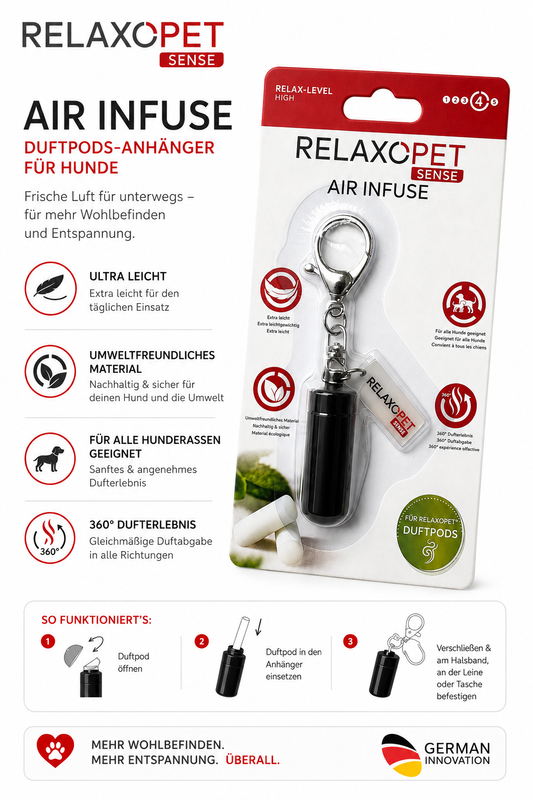
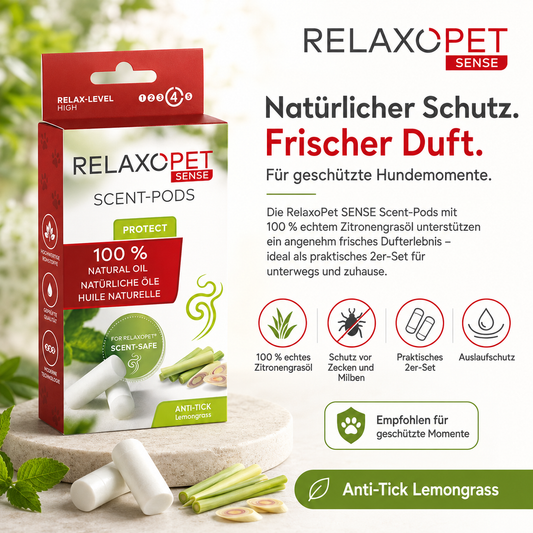
Even if you have carefully designed your garden, spending time outdoors can be stressful or dangerous for your dog – for example, due to environmental stimuli such as unknown smells, loud noises, or annoying parasites (ticks, fleas, etc.). This is where the RelaxoPet SENSE product range offers support. In particular, the "Protection" scent pod in the RelaxoPet SENSE Air Infuse Set was developed to protect dogs outdoors from insects and ticks while they move through tall grasses and densely overgrown terrain.
The RelaxoPet SENSE Protection Pod works on the principle of mobile aromatherapy. The handy, small AIR-INFUSE Fragrance Safe is simply attached to the collar, leash or, for example, the transport box and filled with a fragrance pod. As your dog moves, the valuable essential oils are slowly released – completely without electricity or batteries. The protection fragrance pod contains 100% natural lemongrass oil (Citronella), whose scent has a calming effect on dogs and at the same time offers natural insect protection. This keeps annoying pests such as ticks and fleas away, while your dog can explore the surroundings in a relaxed manner.
Advantages of the RelaxoPet SENSE "Protection" at a glance:
-
Natural ingredients: Pure lemongrass oil, extracted by steam distillation – no chemicals.
-
Two-in-one effect: Protection against parasites and gentle relaxation for your dog in stressful outdoor situations.
-
Easy to use: Insert the pod into the Air-Infuse container and attach it to the collar – the rest happens automatically through movement. No charging, no noise, no stress for the dog.
-
Can be used anywhere: Ideal for walking, hiking, in the garden, traveling or even at home. Your dog carries its comfort zone with it, so to speak.
-
Developed by experts: RelaxoPet SENSE was developed with veterinarians and tailored to the needs of dogs.
The "Protection" fragrance pod is available, for example, as part of the RelaxoPet SENSE – Air Infuse Protection Sets. This set already contains the aluminum fragrance safe and suitable protection pods. Of course, you can buy replacement fragrance pods if needed (each cartridge is vacuum-sealed and lasts a long time). This innovative solution from RelaxoPet offers you an additional safety measure when you are out and about – for relaxed and protected adventures with your dog.
Conclusion: Poisonous plants and your dog
Knowing poisonous plants for dogs is an important part of dog ownership. Whether indoors or outdoors – pay attention to what green dangers are in your four-legged friend's environment. Remove poisonous houseplants or replace them with non-toxic alternatives to prevent an incident from happening in the first place. In the garden and when walking, the rule is: keep your dog away from unknown plants and do not let him nibble on potentially poisonous plants.
With the right knowledge, you can minimize most risks. A dog-friendly garden with non-toxic plants and the conscious avoidance of dangerous chemicals (snail bait, fertilizer, etc.) ensure that your dog can move freely. In addition, you can use aids such as the RelaxoPet SENSE Protection Pod to protect your darling from parasites and stress outdoors.
If your dog does get hold of a poisonous plant or shows signs of poisoning (e.g., vomiting, excessive drooling, diarrhea, trembling), do not hesitate and seek veterinary attention immediately. The faster action is taken, the better the chances of a full recovery – in some cases, this can save a life. It is best to contact the German Animal Emergency Service directly at 0900 8 118 118. They will give you helpful tips or connect you directly with a veterinarian near you. The call costs €2.99 per minute, but you can also request a free number on the website, but this should be done before an emergency occurs. Stay vigilant and enjoy your green surroundings – safely and relaxed.