
Healthy nutrition for dogs
Recommendations, Food Brands, Homemade Treats, and Special Diets
A balanced and healthy diet plays a crucial role in your dog's well-being and health. In this blog post, we will discuss healthy dietary options for dogs, recommended food brands, recipes for homemade treats, and special diets for specific health conditions.
-
Healthy dietary options for dogs: A healthy diet for dogs consists of high-quality dog food that contains all necessary nutrients. Here are some important recommendations:
-
Proteins: Dogs need high-quality animal proteins. Choose food that contains meat or fish as the main ingredient. Poultry, beef, lamb, and fish are good sources of protein.
-
Carbohydrates: Choose carbohydrates from whole grain sources such as brown rice, oats, or potatoes. Avoid food with too many grains and low-quality carbohydrate sources like corn or wheat.
-
Vegetables and fruits: Supplement your dog's diet with healthy vegetables and fruits such as carrots, sweet potatoes, apples, or blueberries. They provide important vitamins, minerals, and fiber.
-
Healthy fats: Adding healthy fats such as salmon oil or coconut oil can promote skin and coat health. However, pay attention to the correct amount to avoid overfeeding.
-
-
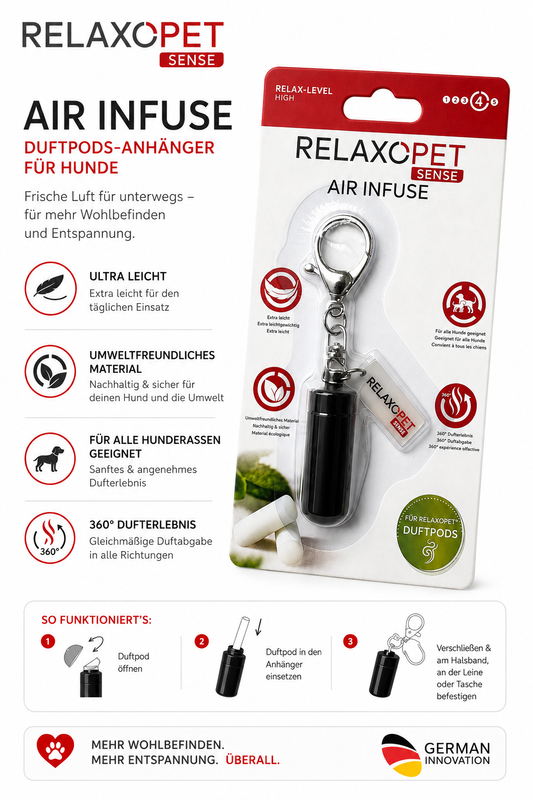
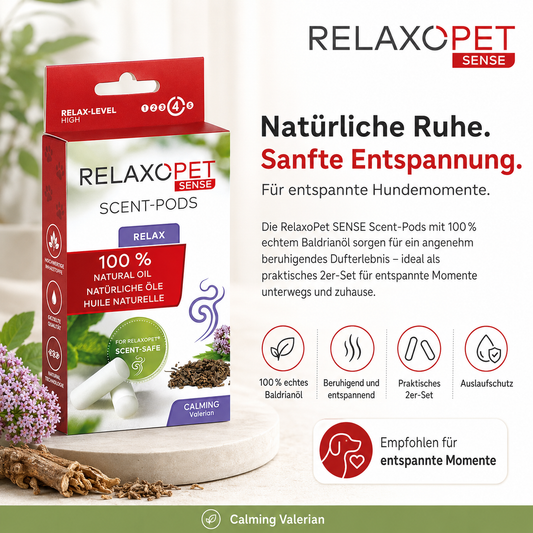
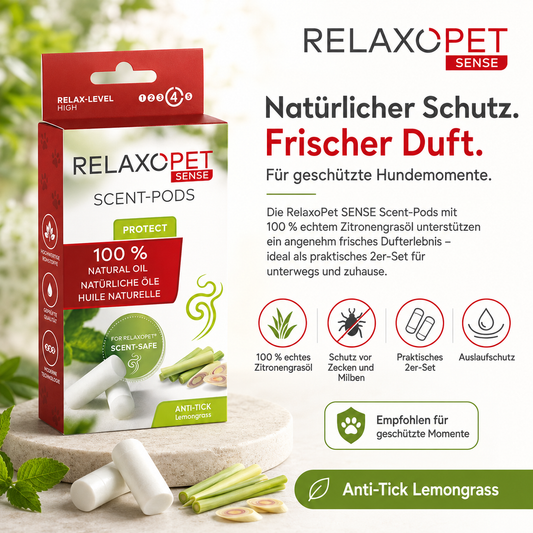
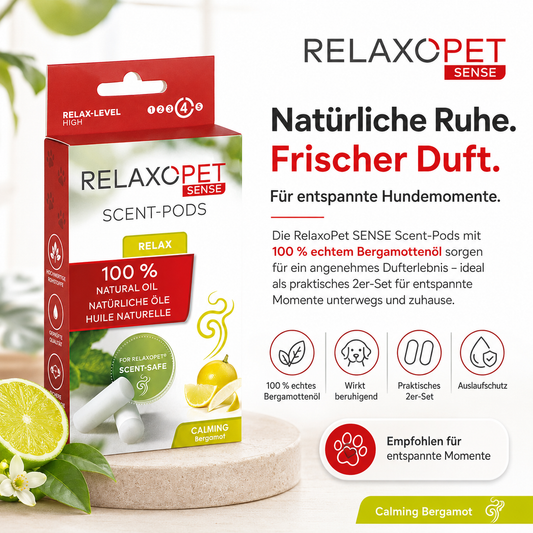
Recommended food brands: There is a wide variety of food brands on the market, but not all are of equal quality.
-
Recipes for homemade treats: Preparing homemade treats allows you to control the ingredients and offer your dog healthy snacks. Here are two simple recipes:
-
Oatmeal-banana treats: Mix oatmeal, mashed bananas, and some peanut butter. Form small balls and bake them in the oven until firm.
-
Sweet potato chips: Cut sweet potatoes into thin slices and bake them in the oven until crispy. You can also add a pinch of cinnamon to vary the taste.
-
-
Special diets for specific health conditions: Sometimes dogs need special diets to support certain health conditions. Here are some examples:
-
Weight management: For overweight dogs, a diet with reduced fat and calorie content can help. Your veterinarian can help you choose a suitable diet food.
-
Allergies or food intolerances: In such cases, a hypoallergenic diet may be necessary, which excludes certain allergenic ingredients, such as grains or certain types of meat.
-
Sensitive stomach: Dogs with sensitive stomachs can benefit from an easily digestible diet that contains gentle ingredients such as chicken and rice.
-
Kidney or liver diseases: In such cases, a special diet may be necessary that takes into account nutritional needs and reduces the pressure on the affected organs.
-
It is important to note that special diets for health conditions should always be done in consultation with a veterinarian to ensure that the diet meets your dog's specific needs.
Concluding remarks
Nutrition is a crucial factor for your dog's health. A balanced diet with high-quality dog food, supplemented by healthy treats and, if necessary, special diets, can help your dog lead a healthy, active, and happy life. Always consult your veterinarian for specific recommendations regarding your dog's diet and to ensure that all individual needs and health conditions are taken into account.